Philanthropy is assumed to be the domain of the confident and the certain. But over the past year at the Rebuild India Fund, we have learnt that it is not actually the case. The ecosystem of giving, globally, has been inherently top-down; with lots of power resting with the giver. This skewed balance of power often blocks the flow of knowledge from community leaders to funders.
Through our work at the Fund, we have had numerous funders and philanthropists express that giving can feel intimidating. It’s hard to know where and when to start, how to measure impact, or whether they are making the right decisions. There are few spaces to learn how philanthropy works, especially at the grassroots, where organisations and their budgets are small, but their impact and the trust they have built with vulnerable communities is deep and meaningful.
At the same time, we noticed another, quieter gap.
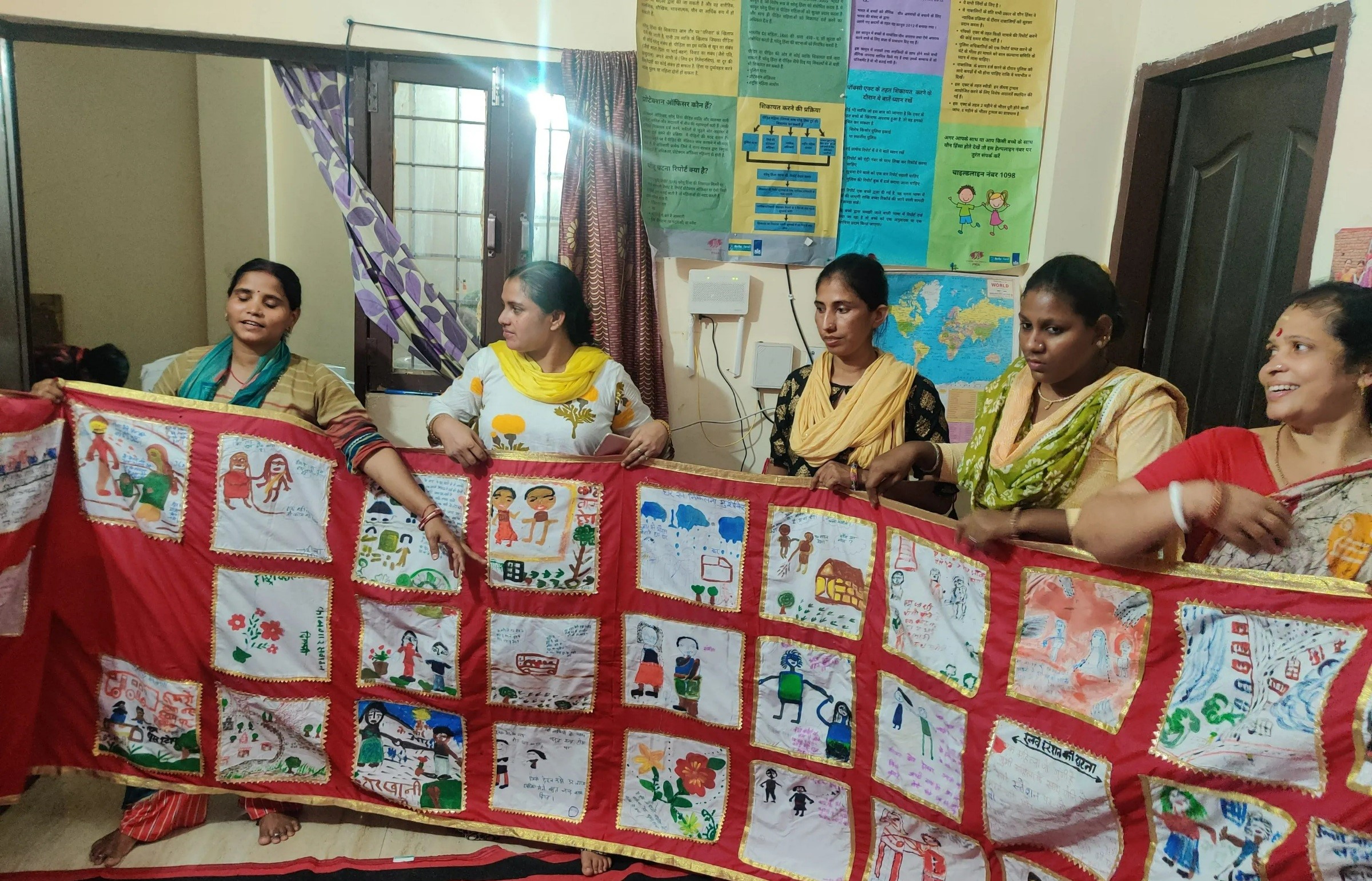
Leaders of these grassroots organisations rarely have the opportunity to speak to funders in a way that isn’t solicitational. There is little space for them to simply share what real work on ground looks like, the complexities of how change really happens in communities, or how they understand and measure impact. Too often, they are expected to show up as fundraisers, not as experts.
At Rebuild India Fund, we have always wanted to build bridges between grassroots NGOs and mainstream philanthropy and realised how necessary a dialogue between the two was. The funders need to hear and learn directly from changemakers closest to the action.
The Idea: Learning as a Two-Way Street
The question led us to pilot something new, a space for learning for the curious funders, regardless of where they were in their funding journey.
And to do that we thought- ‘What if NGO leaders; those closest to communities; were the “teachers”?’ ‘What if funders were invited into conversations not to evaluate or decide, but to listen, learn, and ask questions?’
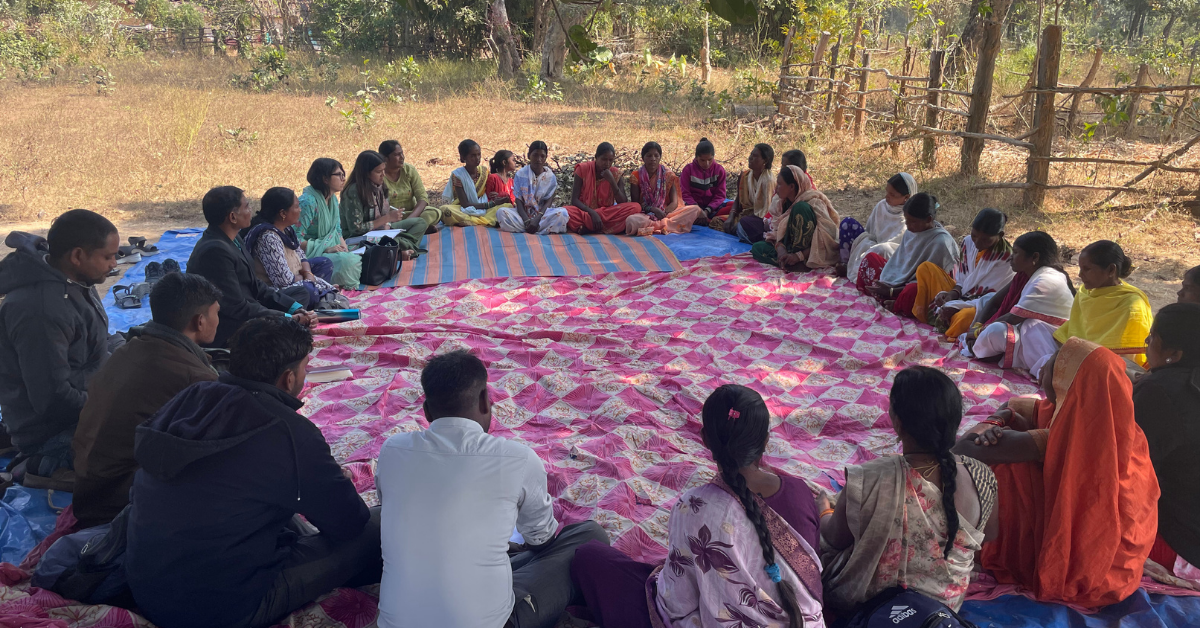
The idea culminated in Rebuild Dialogues, which are facilitated, thematic conversations organised by the Rebuild India Fund wherein we brought together NGO leaders from our portfolio who were experts in their fields, often backed by decades of experience in their organisations, alongside Global and Indian funders. There were no pitches. No funding asks. Just an honest dialogue and lots of sharing.
What the Conversations Looked Like
Each dialogue focused on a specific theme: disability inclusion, capacity building, or impact measurement. NGO leaders shared their work, their expertise, and the realities of the communities they serve. Funders asked candid questions: ‘How do you decide what success looks like for a capacity-building programme?’ ‘How should impact really be measured?’ ‘What gaps exist in the way philanthropy currently funds this work?’ and much more.
To ground these conversations in a broader context, we drew on sector-level research from Dasra, the India Non-Profit Report, and the India Philanthropy Report. We also leveraged Rebuild’s Monitoring, Learning and Evaluation records, analysing insights from 301 NGOs in our portfolio to understand where the sector stands today.
A few weeks back, we took these dialogues beyond the borders of a zoom screen. For our global funders, we organised a virtual site visit to an NGO that offered them a direct view into community work, beyond reports or websites. The NGO also got an interesting opportunity to demonstrate their work on ground and share their learnings more effectively.
What Emerged
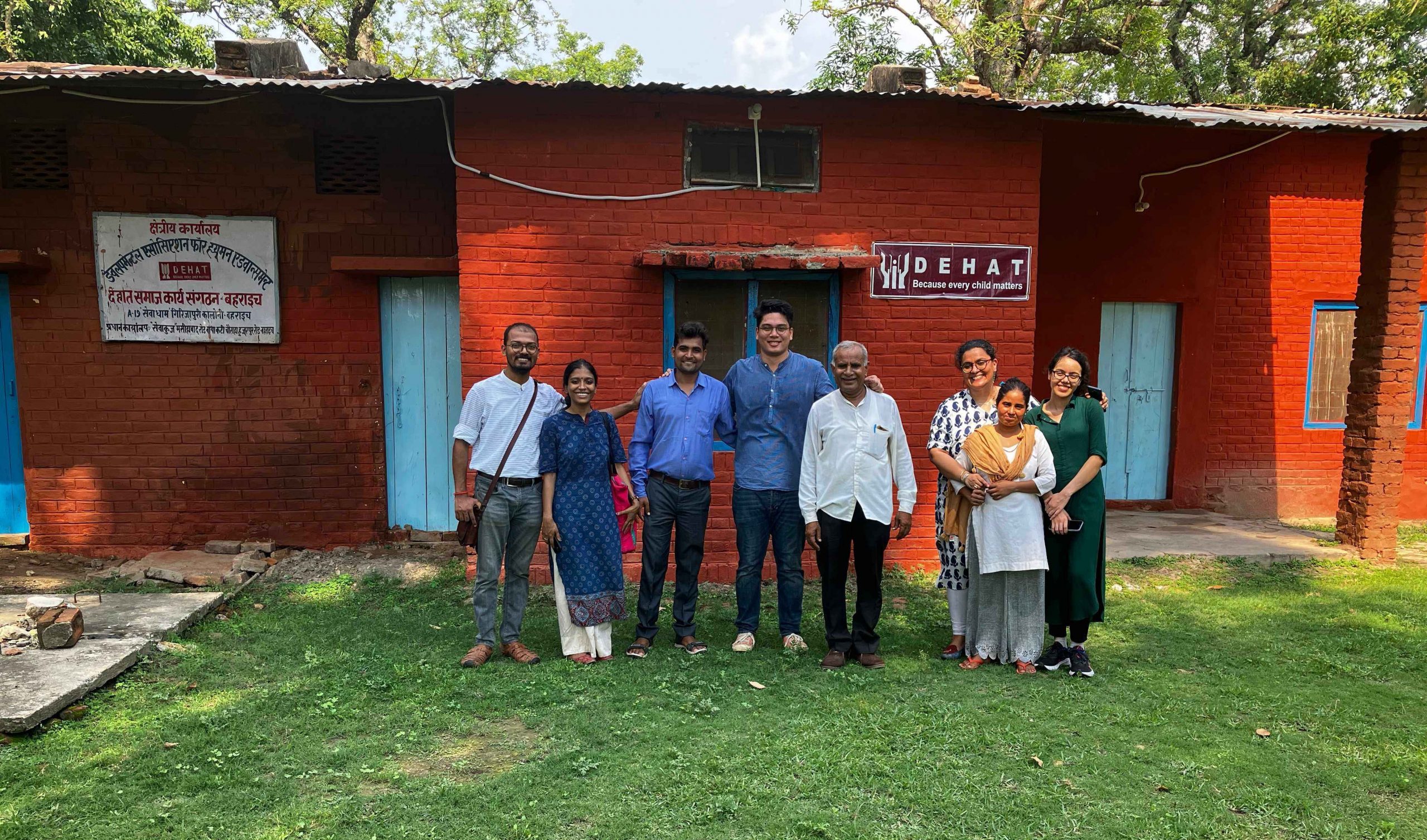
What followed was something very powerful. Funders spoke openly about the uncertainties they carry and the limitations of their existing approaches. Many reflected on gaps in how they had been funding and began exploring new, more thoughtful and effective ways of giving. Many funders were introduced, for the first time, to grassroots organisations, and were unsurprisingly amazed at the extraordinary work. These organisations may not have polished websites or a strong online visibility, but do create an incredible impact on ground.
The feedback we received stayed with us. Funders told us how meaningful these sessions were, how much they learned, and how their perspectives shifted simply by being in the session and listening. For instance, funders mentioned how they were able to see intersectionalities in the way these organisations work, why education programmes need to be supplemented by food security, climate programmes need to have a gender lens, and why disability cannot be looked at without its linkages to mental health and sexual abuse. These are really important milestones for us at the Rebuild India Fund.
Why This Matters
At its heart, Rebuild Dialogues reaffirmed a simple truth: learning is essential, and it is most powerful when it flows in multiple directions.
If we want philanthropy to be more effective, more equitable, and more grounded in reality, we need spaces where people can learn with one another, not just about one another. Spaces where expertise is recognized in lived experience, not just institutional power.
At Rebuild, we are proud to facilitate conversations where capacity building is not something done for NGOs, but something led by them. By flipping the script and allowing NGOs to build the capacity of funders, we are helping shape a philanthropic ecosystem rooted in curiosity, humility, and shared learning.