I have spent 25 years in finance, private equity and tech. Along the way, I have sat with founders in the middle of problems that hadn’t yet resolved themselves, trying to be useful while they figured things out. I have grown comfortable with ambiguity. But a recent trip to India showed me a kind of complexity my usual instincts weren’t built for.
I write this at a moment when the prevailing culture seems to reward something close to the opposite of patience- speed, scale, and a quiet acceptance of excess without constraints. That has never quite sat right with me. Years of earlier travel to India during my private equity career had already taught me how fortunate most of America is, across nearly every stratum, and how far that fortune sits from daily life in much of the rest of the world.
I have been on the steering committee of the Rebuild India Fund (RIF)— a flexible trust-based fund supporting over 300 grassroot organizations in India— since 2022. Through my time with the fund, I have had the opportunity to start understanding the issues that some of the grasssroot organizations work towards solving and the challenges that they deal with day in and out while doing so. Issues ranging from gender-based violence, caste-based discrimination, occupational and livelihood challenges, and a lot more. But my recent visit to India was truly catalytic in how I see these issues and the sector moving forward. That visit was in early April. The reflections below have been settling in, several weeks since.
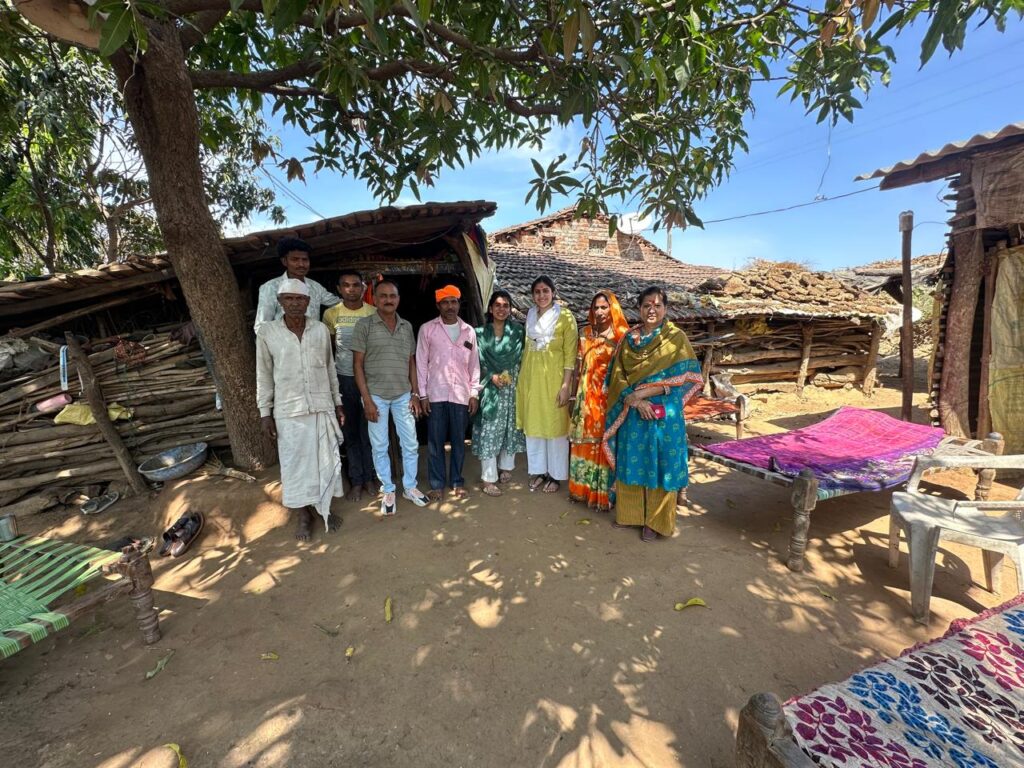
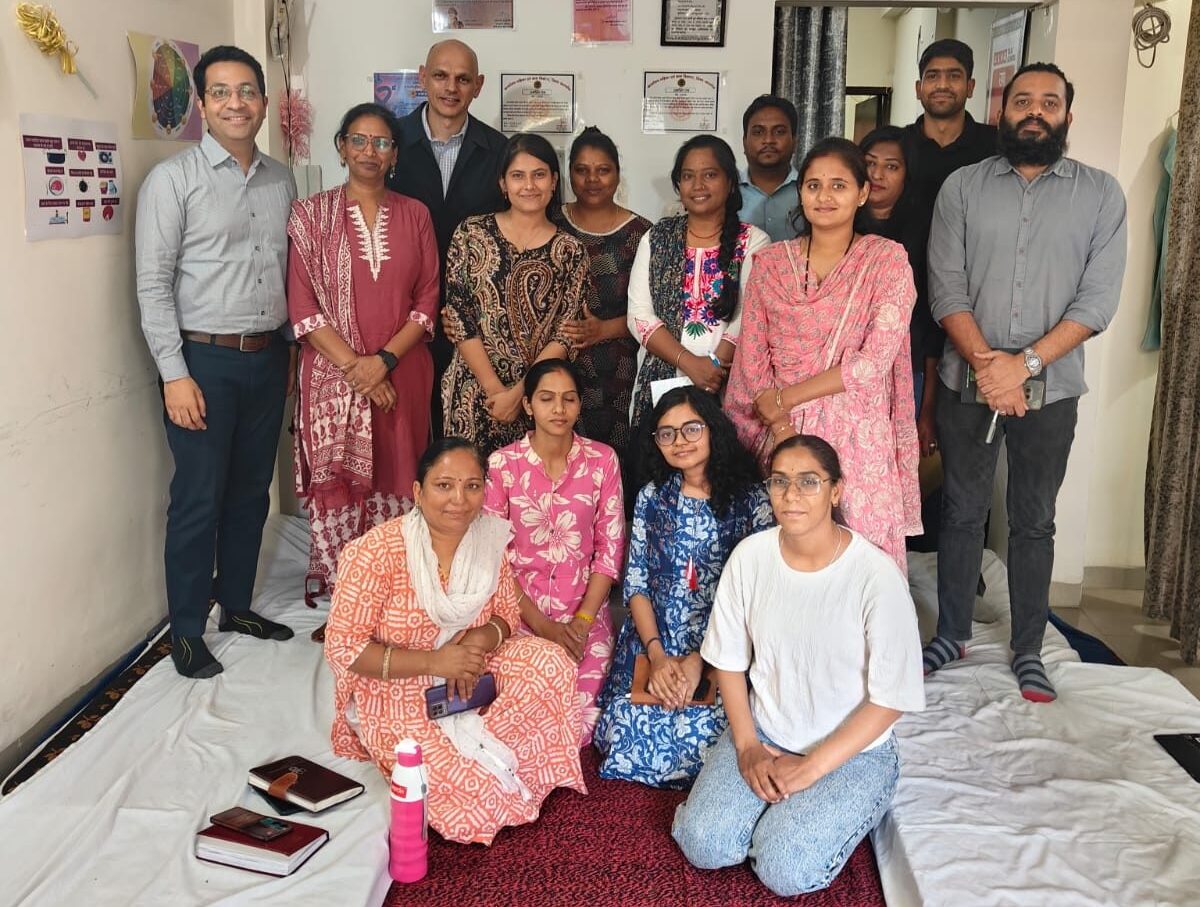
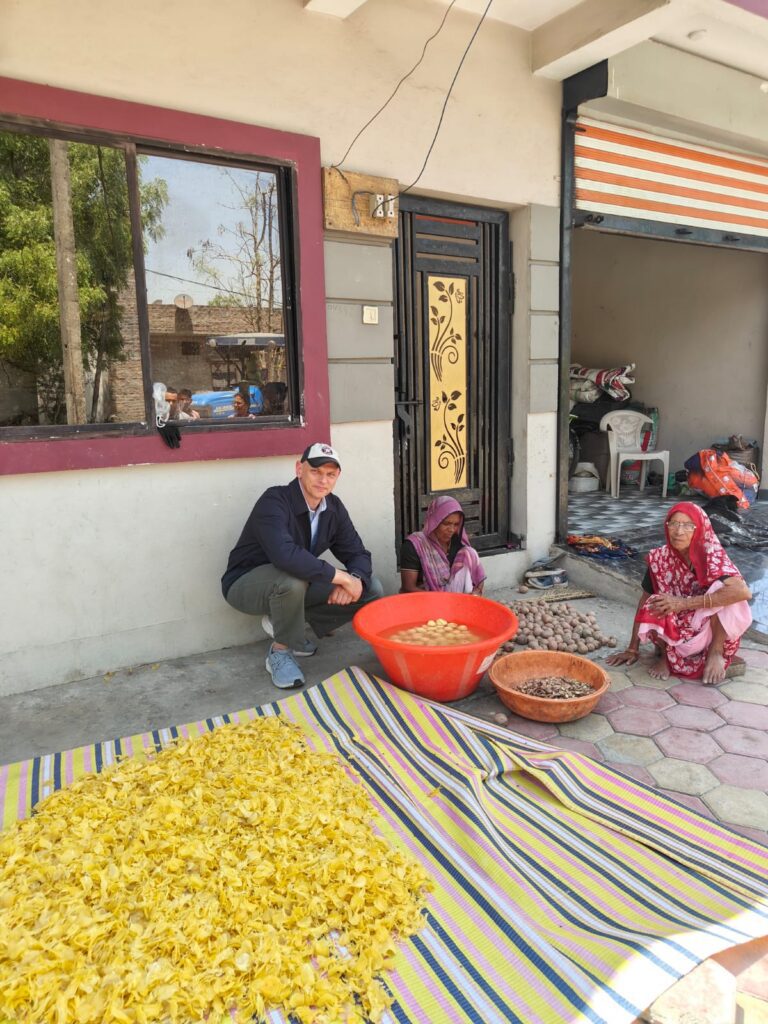
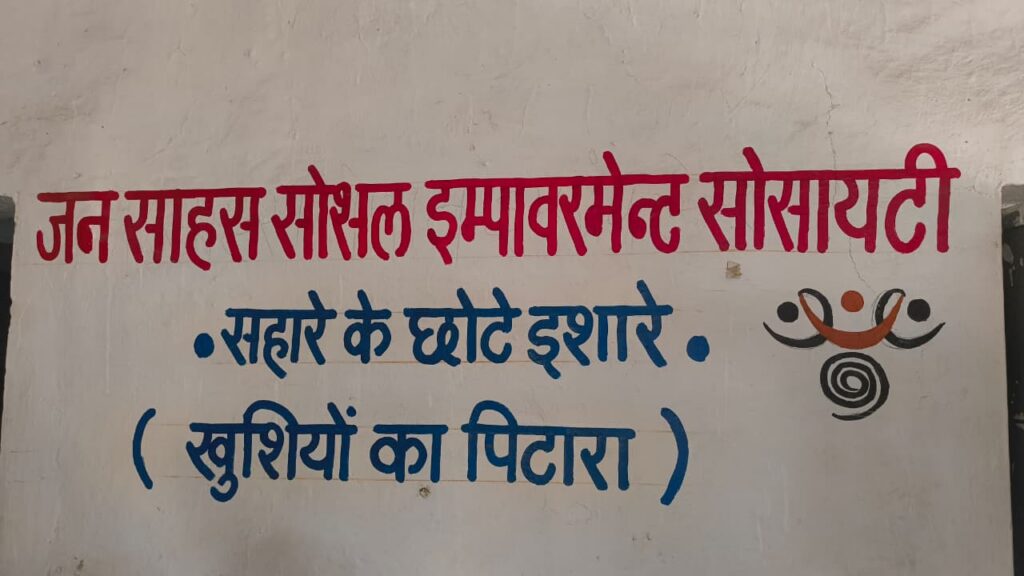
My trip started on a bumpy, unpredictable note. We were on our way to Indore, for a field visit to Jan Sahas Social Empowerment Society (JSSES) in Madhya Pradesh, one of RIF’s partners working in some of the most structurally entrenched social contexts in India. We landed in Indore and then, almost immediately, took off again. Gusty winds forced the pilot to circle back and try landing again. Safely on ground, we visited communities supported by JSSES. Their work spans broad- from communities engaged in manual scavenging to women surviving domestic violence and single mothers fighting for divorce rights where the village simply decides that marriage is permanent. During our visit, we sat with a team that has worked with survivors of domestic violence for years. And the next few hours of that visit taught me some important lessons about impact and investing in people.
Resilience as process, not outcome
Before my visit, I had a mental checklist on things I wanted to consciously avoid doing. I wanted to make sure that my visit does not create discomfort for the NGO and the community members. That it does not force them to ‘perform for a funder’ or in any way make them uncomfortable. I also expected some hesitation and difficulty for the community to speak freely to us, especially considering how sensitive some of the issues they deal with are.
What struck me during our interactions is the openness and ease with which they shared their experiences with us. But during our conversations with the team and the community, we also realized that the confidence we saw in that room was not a starting point. It was the result of years of work by organizations that have chosen to stay, engage and build from within contexts that are often defined by structural challenges. This made me think of what the journey of building resilience can truly look like.
The role of patient capital in long term change
When we look at social impact investments, we often think of efficiency, reach and scale- some indicators of what returns on investment can mean. If a program costs X and serves Y people, what does that model look like at 10x? Can we build the organization chart, the systems, the replication playbook? But social realities often bypass these metrics and assumptions.
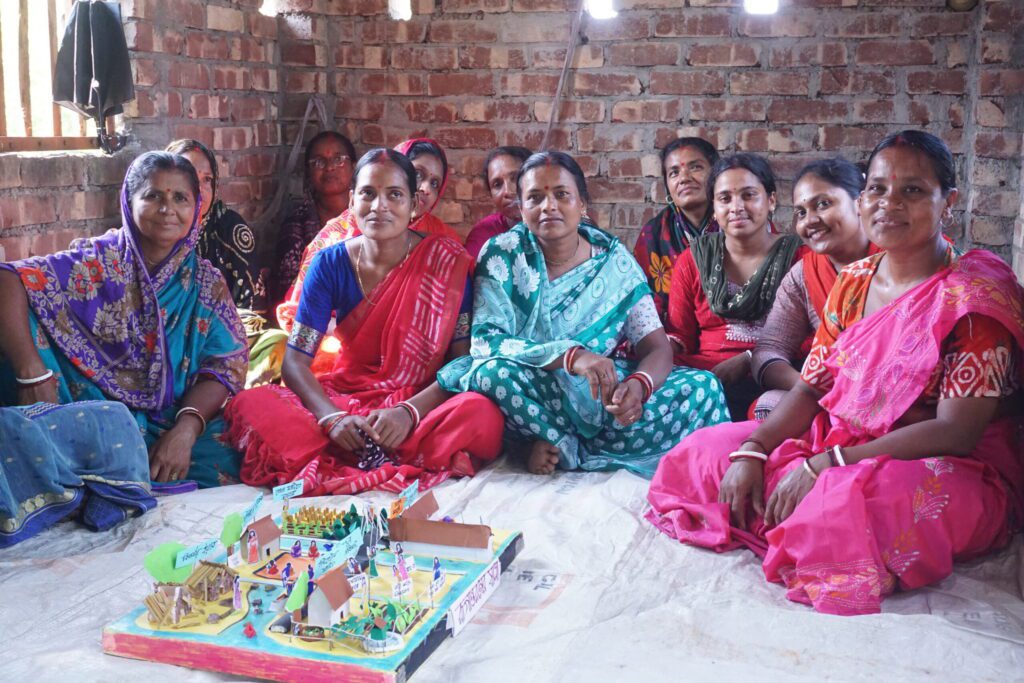
At one point during the visit, I joined an activity with a group of children that mapped out the journey of food- sowing, planting, growing, harvesting, and finally eating and digesting. It was playful, almost rhythmic, with each stage flowing into the next. I struggled to keep up, both with the words and the sequence, but the metaphor lingered. Because that’s what meaningful change looks like. It is sequential. It is cumulative. And crucially, it cannot be rushed. We look for outcomes- confidence, participation, visible shifts in behaviour and ask how these can be scaled, replicated, multiplied. But what often does not get funded adequately, are the earlier stages: the sowing of trust, the careful planting of relationships, the nurturing required for growth. And just as importantly, the time it takes for all of this to be absorbed to be internalized, or ‘digested’ within a community.
This also has implications on how we think about scale. There is an instinct to take what we see and imagine it ‘many times over.’ But what is being scaled here is not just a program. It is a set of relationships, a depth of trust, and a way of working that is inherently local. Scaling that requires more than resources, it requires patience. And patient outcomes also demand patient capital that invests in people and processes over outcomes.
What JSSES does and what organizations like them do when they’re doing it right is not a program. It is a relationship built over years by proximate leaders like Kranti Khode within a context shaped by centuries of structural disadvantage. I met women who had used legal frameworks that JSSES helped them understand and access to stand up in communities where standing up meant facing violence, losing housing, or being ostracized. One woman who is a single mother, with an alcoholic husband, in-laws running her life. She didn’t just leave, but she fought legally, publicly and she won. That’s not just a data point. That’s a human being who decided her life was worth fighting for and found people who would stand behind her while she did it. Some of these women eventually join the organization’s teams. They become the ones who stand behind the next survivor. I don’t think this level of nuance would have reached me if I had read a donor report on the NGOs work. I sat with the JSSES team for a long time. At some point, I said,
“I don’t know how you do this. None of us could come close to what you do.”
The visit threw open several learnings and insights for me. My flight landing in Indore almost seemed like a metaphor for what arriving at an understanding of something can look like. It was the reminder that sometimes, even when you think you’ve arrived, you haven’t quite. You need to circle back, think again, and recalibrate. I came to India with a certain set of expectations in mind. And I am going back with new possibilities and frameworks to potentially rethink some of the assumptions we have.
*Boris Siperstein has spent several decades in growth leadership roles across tech, private equity, and various early-stage ventures. He serves on the board of Rebuild India Fund.