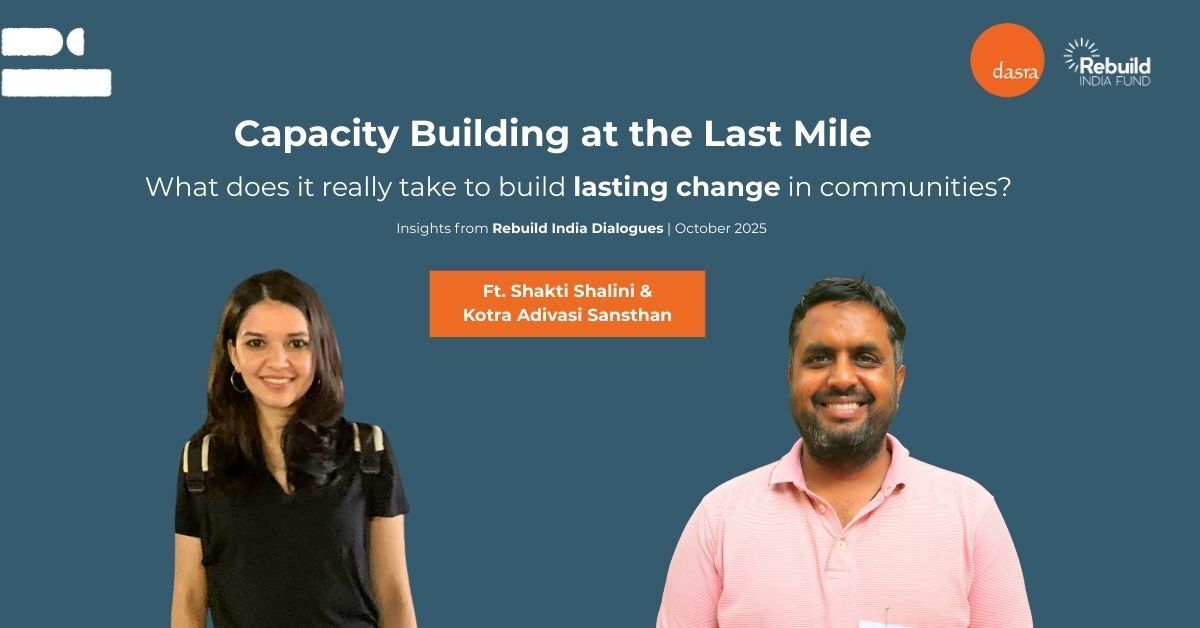
What does it take to build capacity at the grassroots that truly lasts? The latest session in Rebuild India Fund’s learning series tries to answer this question for funders. The session, titled ‘Rebuild Dialogues’, focused on understanding how capacity building at the last mile goes way beyond a one-time training or a checklist and is in fact, a continuous process that grows alongside people and organizations.
Speakers Tamanna Basu (Shakti Shalini, New Delhi) and Sarfraz Sheikh (Kotra Adivasi Sansthan, Rajasthan) underlined how capacity building is contextual, continuous and intertwined. Here are a few key takeaways from this wonderful session.
Integrating capacities at the community and organizational level
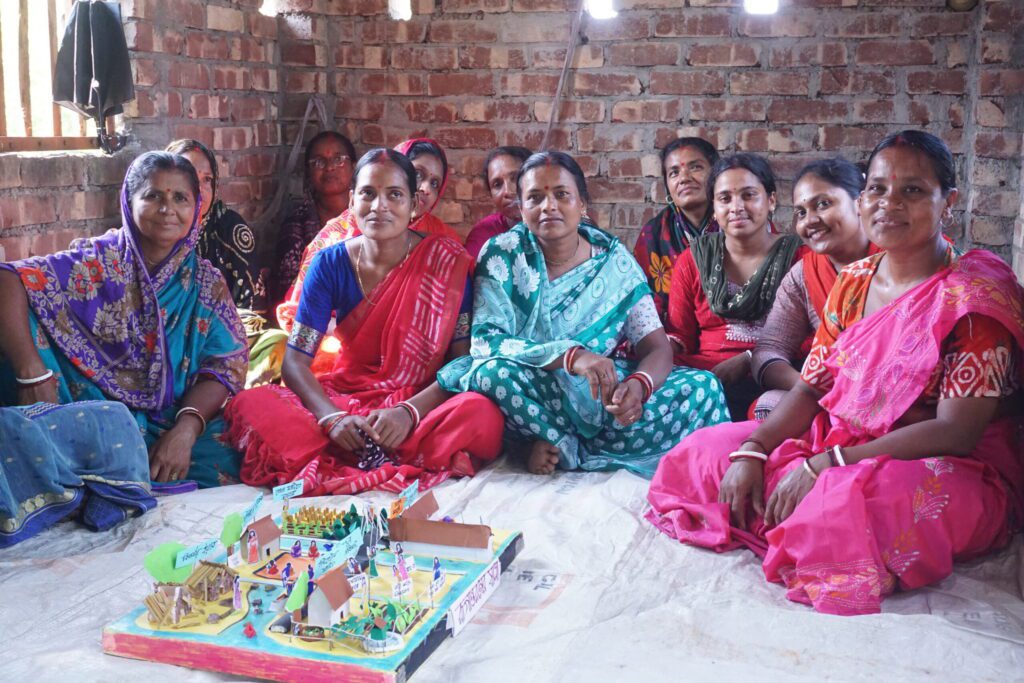
At the community level, capacity can often show up as voice, negotiation, and collective action. Whether it is women identifying red flags of violence, youth building digital and media literacy or tribal leaders drafting petitions and engaging with government systems.
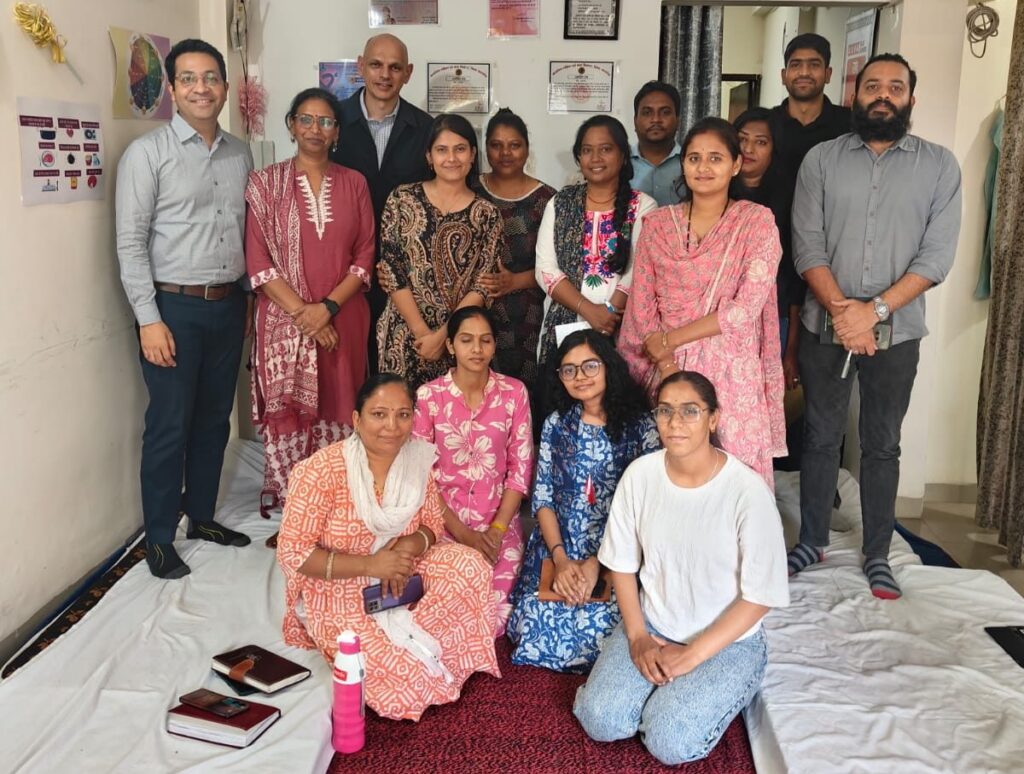
At the organizational level, it’s about building robust internal systems such as results-based management (RBM), monitoring and evaluation, compliance, leadership, communications and team well-being to ensure that the frontline workers are better equipped to nurture the change on ground.
Ms. Tamanna shared some examples of how this synergy works in practice at Shakti Shalini. Survivors of violence who go through its programs report stronger negotiation power at home and in workplaces, with relapse rates into abusive situations dropping below 10%. Internally, the team has also grown through capacity-building on RBM, gender sensitivity, and mental health. Their team, she said, has greatly evolved with such orientation and well-being practices.
Understanding context is a must; cookie-cutter playbooks don’t help.
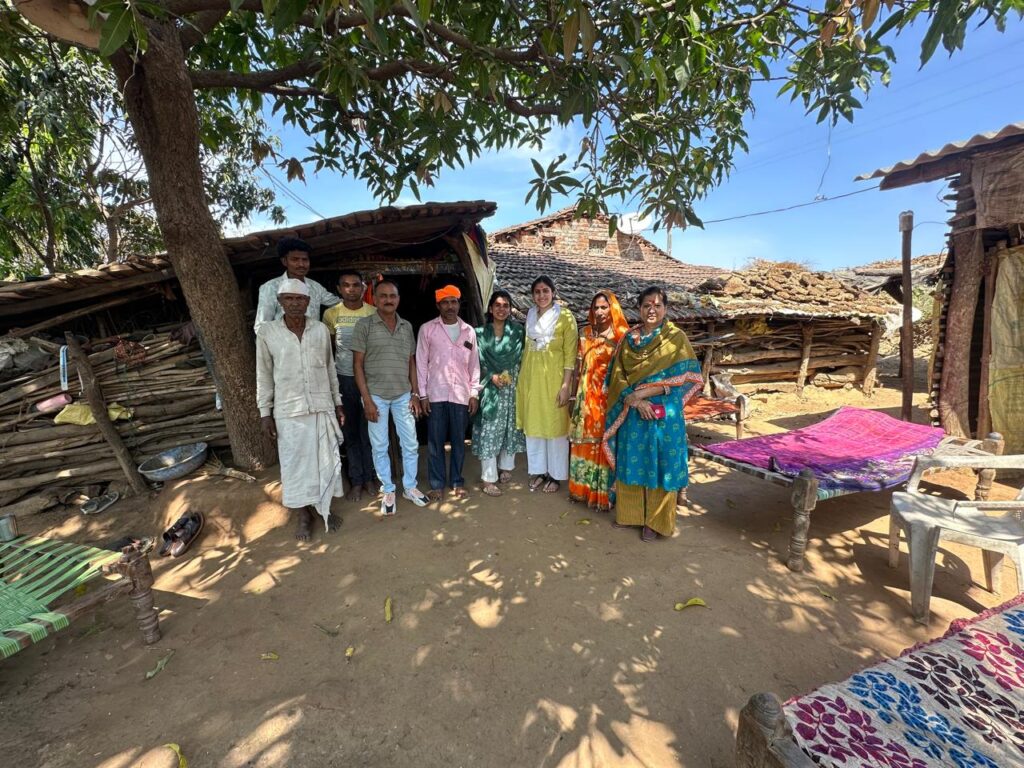
For Kotra Adivasi Sansthan in Rajasthan, capacity building means teaching first-generation tribal leaders how to petition government offices, track submissions, and sustain collective action. A model could never be imported because it is deeply rooted in local language, culture, and the rhythms of village life. The process is slow but transformative, gradually building both confidence and skill within underserved communities.
This only underlines how capacity building efforts need to be contextual and dynamic, adapting to local lived realities and accommodative of the changing needs of NGOs and the communities they cater to.
Measuring what matters
Speakers emphasized that not all impact fits into neat log frames. Some outcomes like improved language, new systems, or income gains show up quickly while others like challenging patriarchy or enabling agency takes generations. The key is to measure both: track milestones (meetings, proposals, follow-ups) while also capturing qualitative changes through stories, testimonials, and community feedback.
In a nutshell, change both slow and quick, short term and long term is equally important.
Funders should invest in the long game
The message for funders was clear: don’t just read the report, instead, meet, and listen to the communities. Capacity building can’t be understood only through data and in fact lives in conversations, field visits, and the quiet, cumulative shifts within teams and communities. To truly support this process, funders must invest in the boring but vital backbones-finance, compliance, documentation, results-based management (RBM), and staff well-being which hold organizations together and enable them to serve communities better. It’s a cyclical and relational process, not a one-off intervention. Funders should therefore resource regular refreshers, reflection spaces, and continuous learning because sustainable capacity is built not in bursts, but through steady, long-term support that nurtures both people and systems.
No matter where you are in your funding journey, if you would like to learn directly from the people at the frontline you can join our bi-monthly Rebuild Dialogues. Please write to mishri@dasra.org and request an invite.