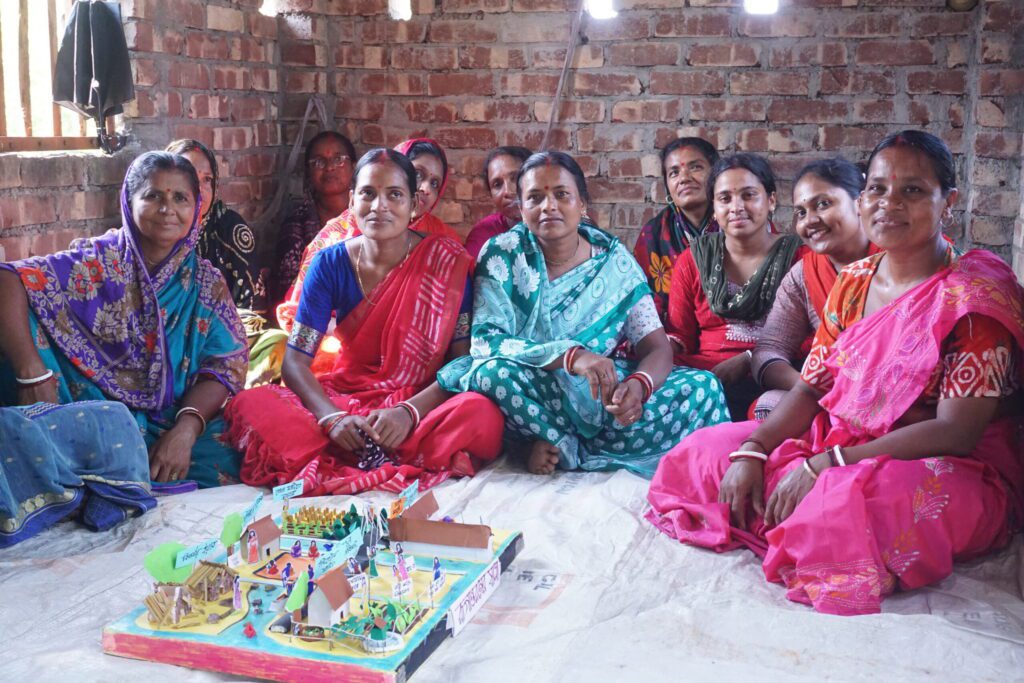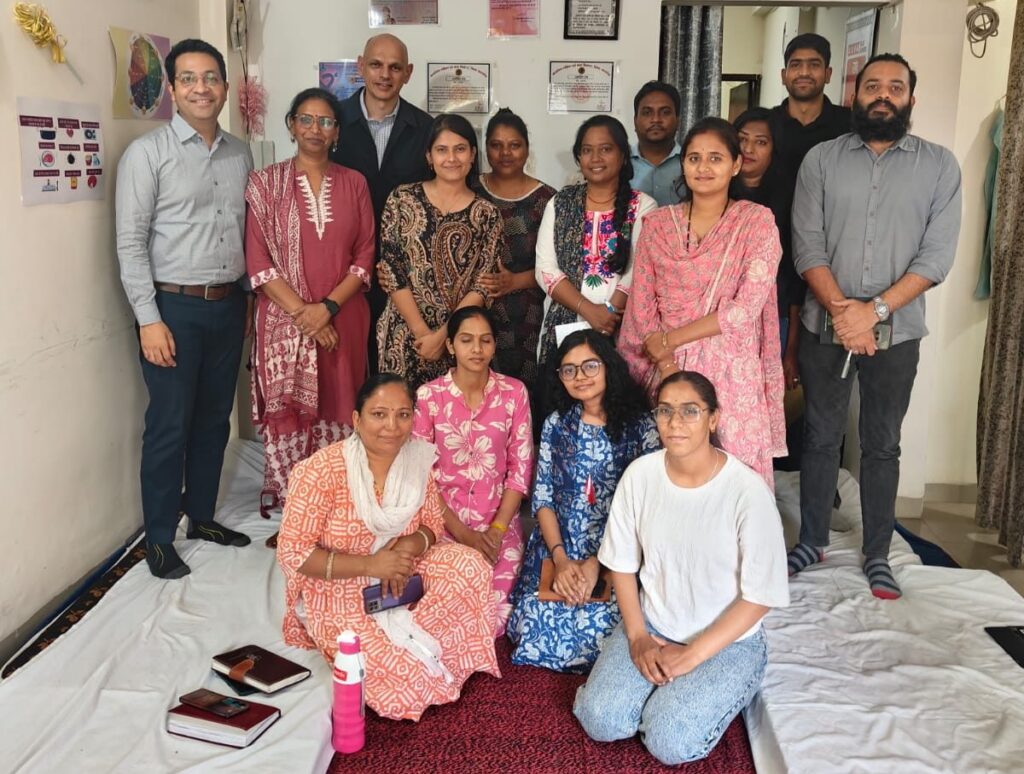
When we think about climate action, a certain image comes to mind. Highly educated people in well-lit rooms. Whiteboards full of systems maps. Consultants with strategic plans and long slide decks. Solving the complexities of climate change is often positioned as a thing that only the highly credentialed, well-resourced and well connected individuals can do.
We thought so too.
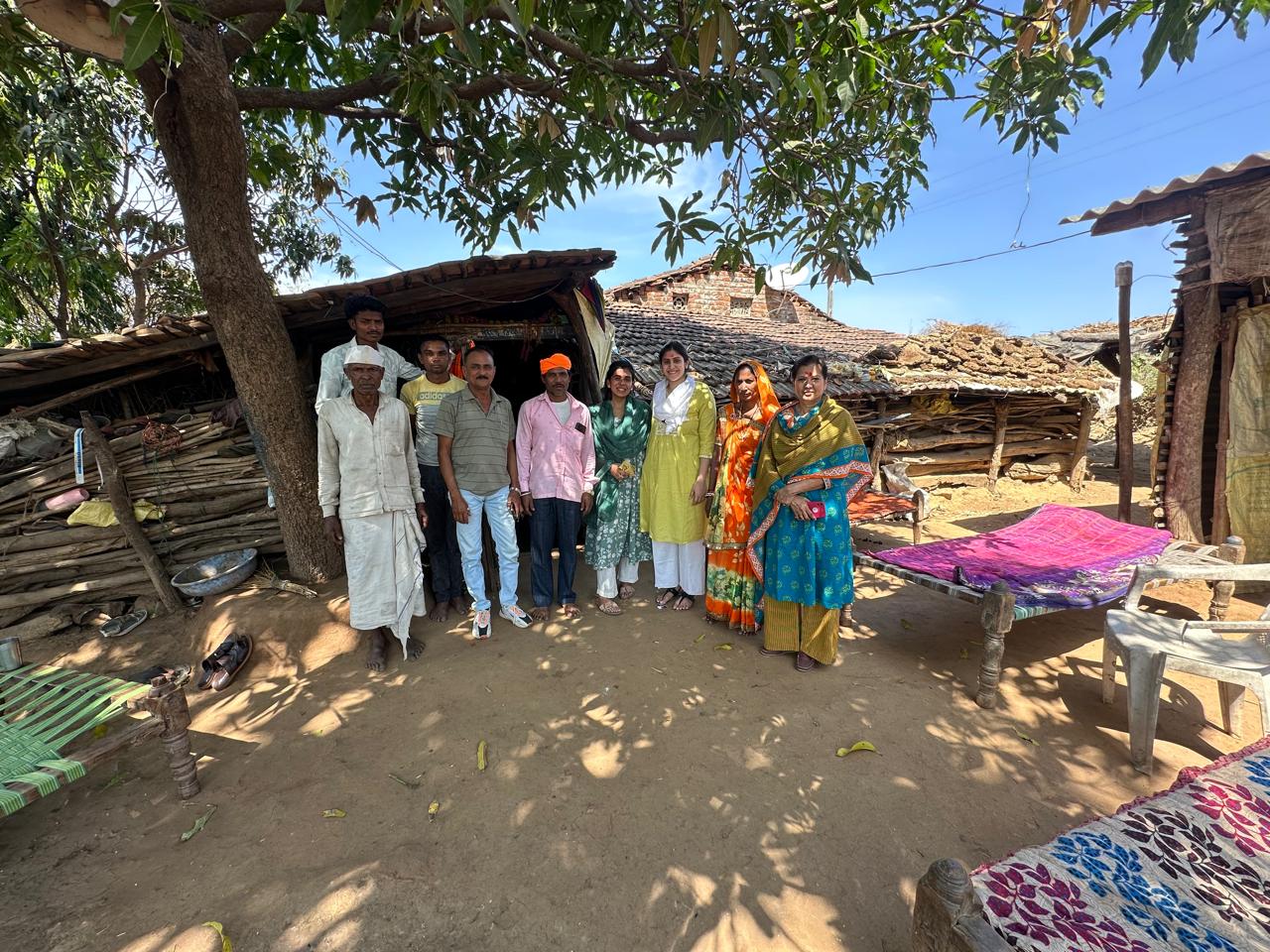
Until we went to DISHA, a grassroots NGO in Limkheda, Gujarat. DISHA supports the formation of community-based organizations (CBOs) for Scheduled Tribe (ST) and Other Backward Class (OBC) communities, addressing issues related to livelihoods, education, and human rights. Our visit to the NGO and the communities it supports showed how local communities and especially women bear the most disproportionate burden of climate change but also and more importantly they are also on the frontlines of climate action.
Women at the frontlines of climate action
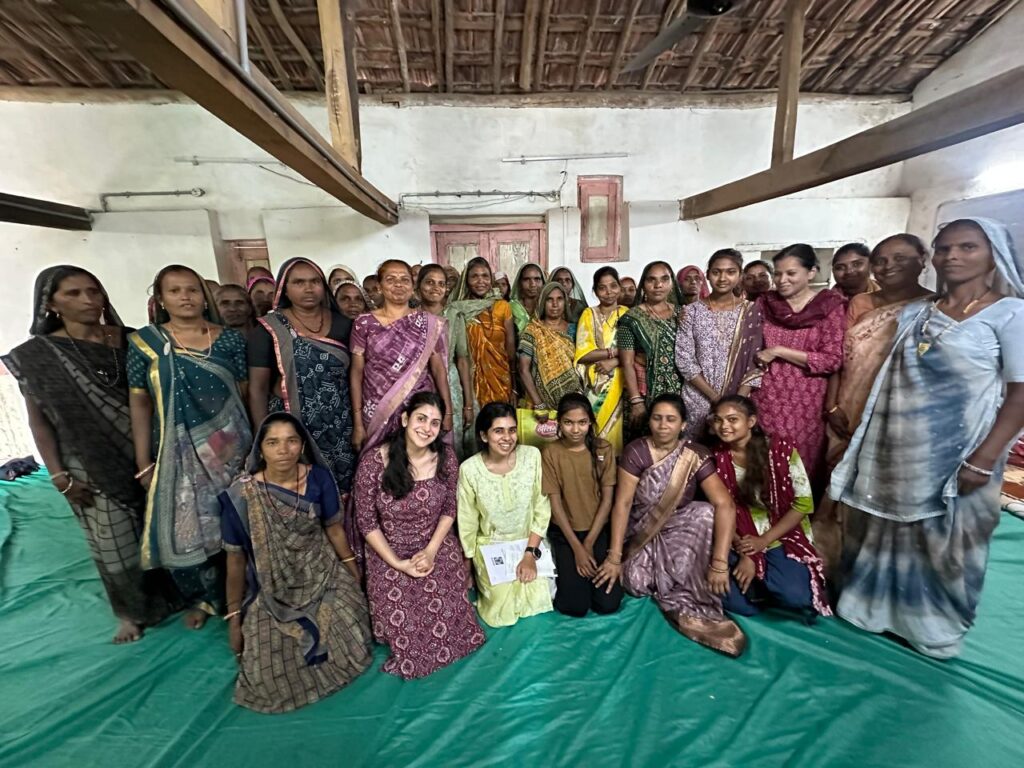
Vulnerable farmers in India are among the first to pay for the very real impacts of climate change; with destroyed harvests, degraded soil, and livelihoods that hang on the uncertainty of rains. DISHA works with such farmers to help build their resilience, create a platform for them to come together and get dignified livelihood opportunities. The NGO works at the intersection of mitigation and adaptation because the farmers they work with can’t afford to do one without the other. One cannot ask someone to think about the long-term health of the planet if they cannot feed their family this season. And you cannot only focus on this season if the land won’t survive the next decade.
Every program DISHA designs centers around women. Every decision-making process includes them. The NGO’s microfinance model is built specifically for women farmers. Approximately 500 women are currently enrolled in the programme with average loan sizes of Rs. 5,000 at marginal interest rates. Rates that no private lender, no loan shark, no bank would ever offer to a woman in a tribal village. This means single women having the capital to buy seeds, to pilot a new crop, to earn during the off-season, to not be dependent on a bad harvest or a worse moneylender.
During our recent visit to DISHA, a woman told us her land is her life. She had fought for that land; fought when it was almost taken from her, fought to keep it. For her, land is not an asset class. Land is everything. A woman in Gujarat, standing on and solutioning on her small parcel of land, on how she can mitigate and adapt to the climate crisis. Women like her are at the frontlines of Climate Action.
The three-gunta model
Through their 3-gunta model- leveraging as little as three guntas of smallholder land- DISHA trains farmers in diversified, organic, climate resilient agriculture. Banana cultivation. Ashwagandha.
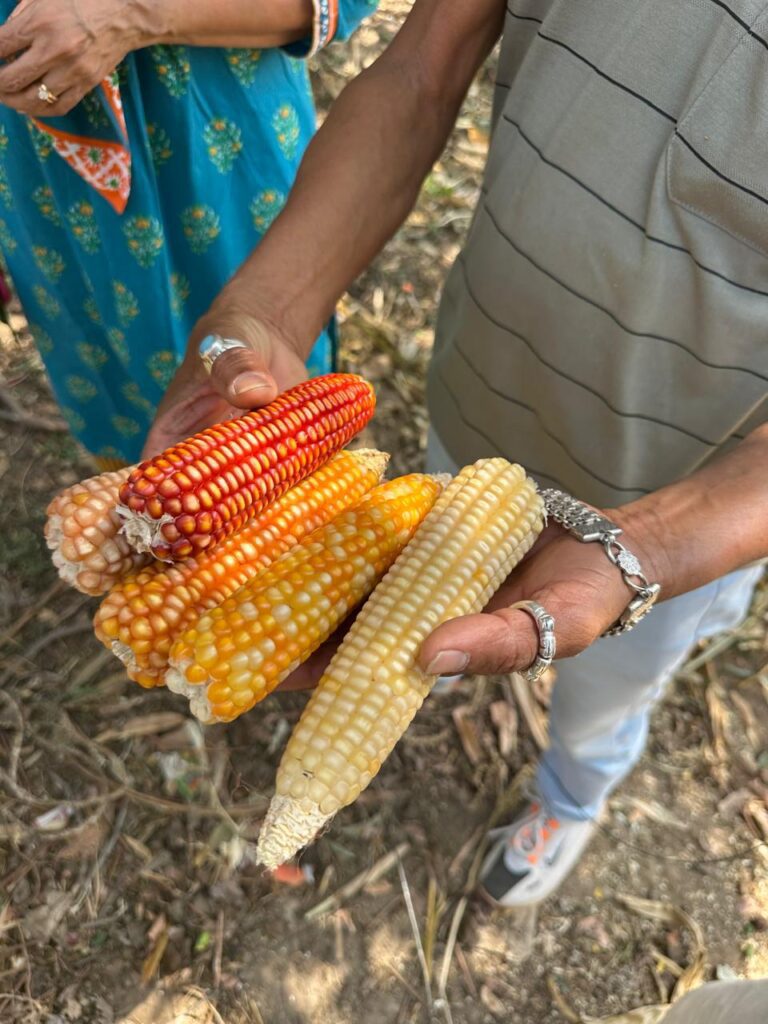
High-value crops suited to the land and climate. Crops that retain soil nutrition, reduce dependence on chemicals, and build the kind of biodiversity that makes land resilient for the long term. They train farmers and urge them not to burn their crops after harvest; one of the single most impactful things you can do for soil health and local air quality. They work with indigenous knowledge systems that have always understood land as something to be protected, not exploited. It works. Every rupee invested in the 3-gunta model generates Rs. 1.6 in return. Take Champaben. She grew Ashwagandha on her farm and invested Rs. 16,000. She earned back Rs. 90,000; money she is now using to clear her household debt. DISHA piloted this model with 100 farmers last year. They are now ready to scale to 500, should they find the funding to do so.
Paulomee Mistry, the Director of DISHA grew up interacting with various tribal communities in Gujarat every summer. She watched them struggle. She understood, from the inside, what they needed; and more importantly, what they did not need- outsiders arriving with solutions designed elsewhere and imposed here. The trust DISHA has built in these communities over decades is not something one can manufacture with a good communications strategy alone. You feel it the moment you step into the villages they work in. Farmers don’t just participate in the NGO’s programs. They believe in them. Because DISHA believes in them first.
DISHA operates on a budget of approximately Rs. 2 crores a year. With that, they work with over 1 lakh farmers: through microfinance, seed banks, capacity building, and on-ground training. They have 500 women enrolled in a microfinance program with near-zero default. Think about what it costs to run a CSR program, a consulting engagement, and a climate innovation lab. Think about the per-person cost of any large institutional intervention you have ever funded or seen funded. And then think about what DISHA is doing with Rs. 2 crores and ask yourself: where is the most return for your buck in climate giving? The answer is simple. It lies in supporting organisations like DISHA.
Systems change often feels like just jargon in the sector, another thing we say to sound serious. But here is what systemic actually looks like: farmers who are diversifying their land, sequestering carbon without knowing the word sequestration, practicing regenerative agriculture without being told it is trendy and no longer burning their crop. It is seen in women who have financial independence for the first time. And in the relationships that the indigenous communities have with land- that have protected ecosystems for centuries.
That is mitigation. That is adaptation. That is resilience. This is work that needs to be funded.